
Fit and Fabulous Floridians! You may remember the old adage, “you are what you eat.” This is more important now than ever, understanding what you are putting into your body and how it is affecting your health. Are you ingesting processed foods full of chemicals aiding in diabetes, cardiovascular disease, cancer, obesity, and more? Are you eating clean, whole foods and minimally processed foods that are keeping you running like a high-performance machine?
Educating yourself and knowing how different chemicals in our foods directly correlate to disease will help keep your body healthy and happy for many years to come.
The processed food industry frequently augments our food with preservatives, additives, artificial colors and flavors, and flavor enhancers, just to name a few, that are deemed “safe” in low quantities. The challenge is that we as consumers eat these foods frequently and these chemicals build up in our bodies, causing an array of health issues. These health issues can include type 2 diabetes, non-alcoholic fatty liver disease, obesity, and hyperactivity in children. The sheer volume and combination of these chemicals can also lead to inflammation, gut and digestive issues, hormonal imbalances, mood disorders, and in more serious cases autoimmune disorders, neurodegenerative conditions, and even certain types of cancers.
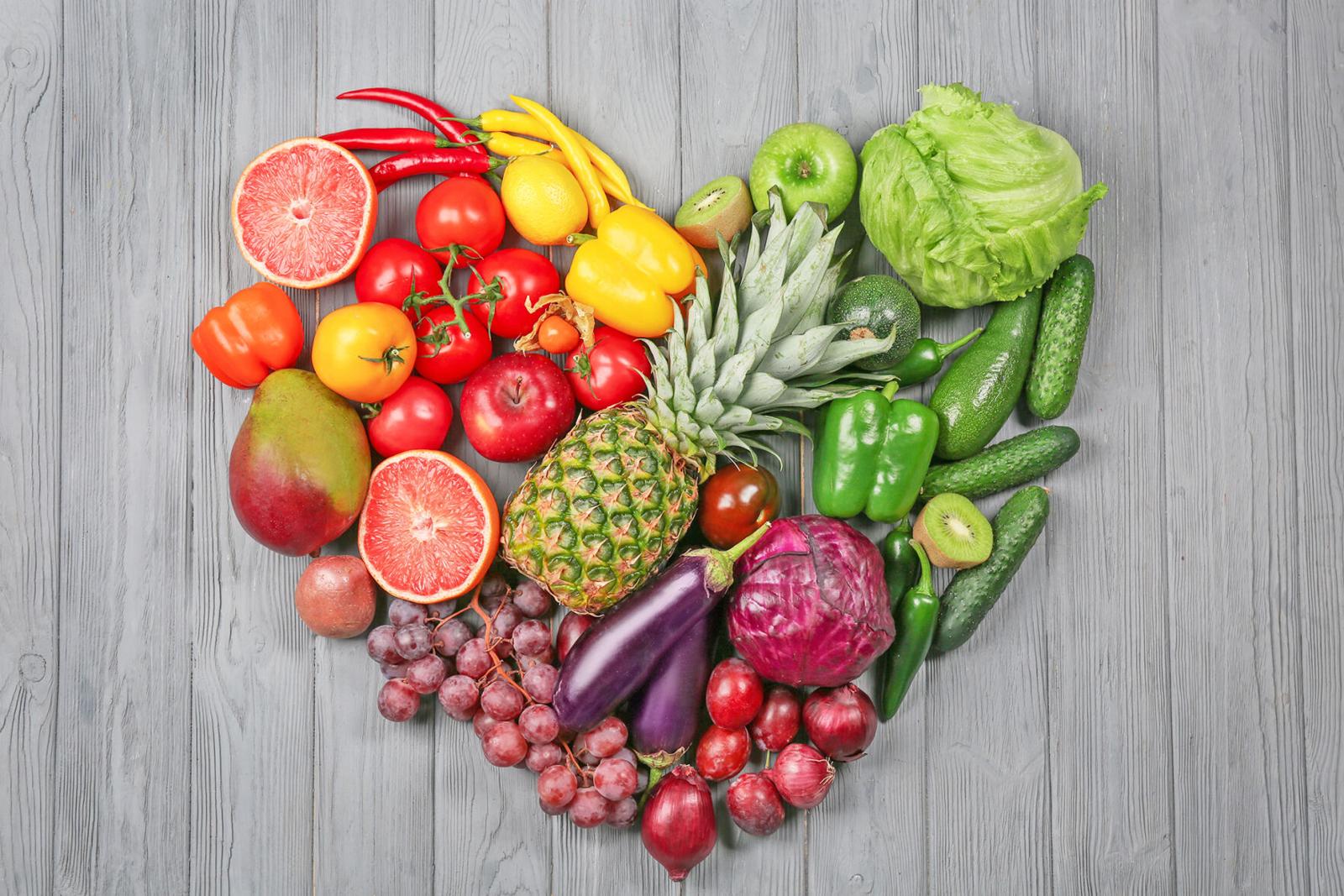
The great news is that we can mitigate these risks by making conscious and educated choices for our body’s nutritional needs. Choosing whole foods such as fruits, vegetables, lean proteins, nuts, and seeds gives your body a variety of essential vitamins, minerals, fiber, and antioxidants that are great at protecting against disease. Minimally processed foods like yogurts, oats, and legumes retain most of their nutritional value and are vital to aid in healthy digestion and regulating blood sugar levels. Antioxidants from these foods fight stress and help reduce cellular damage that can lead to disease.
Transitioning to a whole foods diet doesn't have to be drastic. Start with small, manageable changes. Replace sugary drinks with water, swap processed snacks for fruit, and try cooking more meals at home from scratch. Read and scan labels. Knowing what you are putting into your body by scanning labels with an app like the Yuka app will tell you what type of processing has gone into the food item, any hazardous chemicals, and what scientific testing has found about the detrimental effects of these chemicals. The benefits of choosing a whole food lifestyle extend beyond physical health; a diet rich in nutrients can boost energy levels, improve mental clarity, and even enhance mood. When your body is properly nourished, it operates at its peak, contributing to an overall sense of happiness and vitality.
As I mentioned above, the adage "you are what you eat" holds profound truth. By understanding the potential harms of chemicals in processed foods and choosing to fuel our bodies with natural, wholesome ingredients, we invest in a future of robust health and enduring happiness. Make the commitment today to nourish your body from the inside out – your future self will thank you.